
Loading merchant banner…
Practical Home and Kitchen Shopping at Blain's Farm & Fleet
Compare the buying guide with your needs, available space, and budget before visiting Blain's Farm & Fleet.

This working vocabulary connects the language used across Foundations, Ingredients, Techniques, and the Market Guide.
Harvest²Cuisine is a reference and self-paced practice library, not an accredited school or professional credential.
Plain definitions, professional cues, and “what it affects” notes.
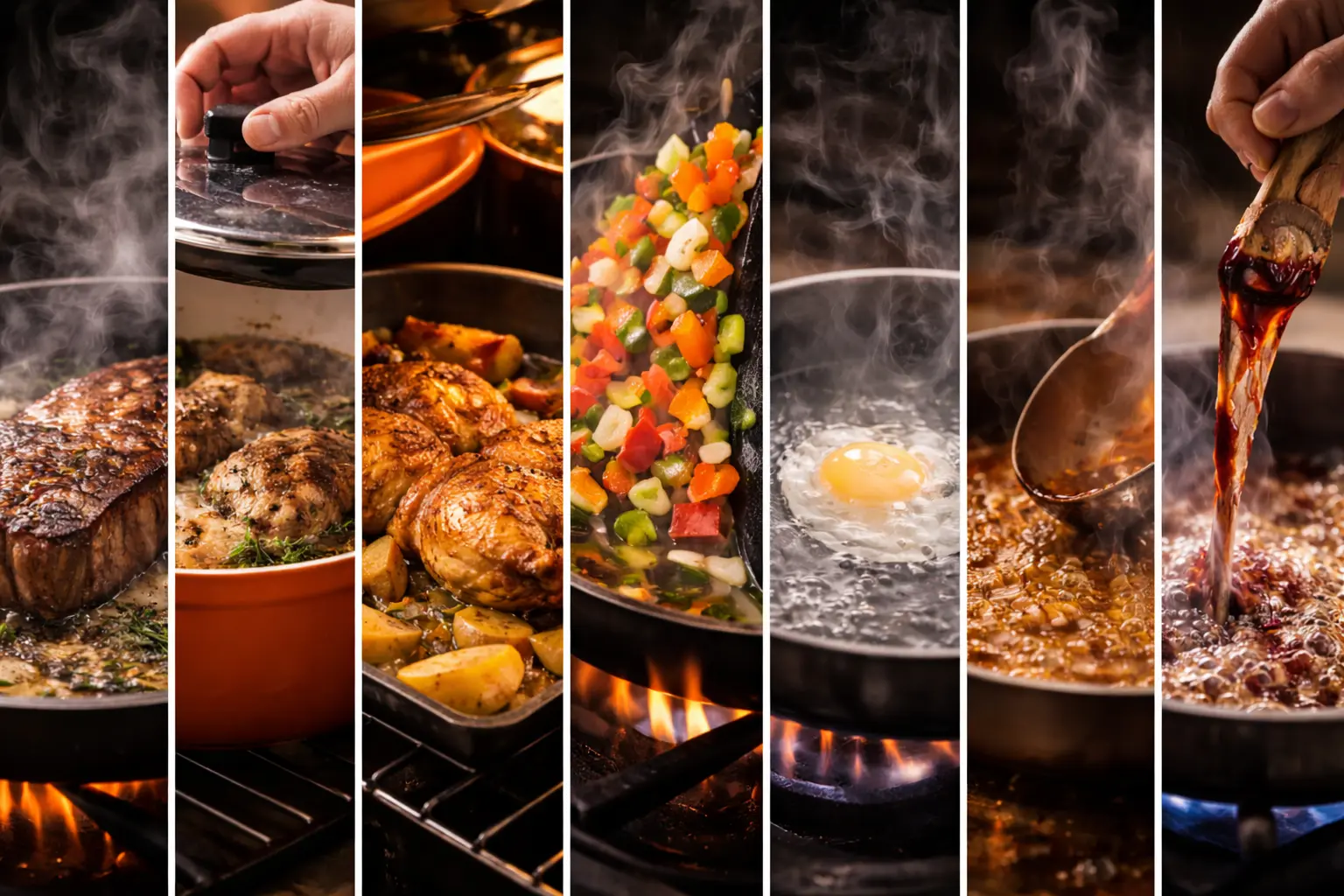
Action words used throughout the technique pages (sear, reduce, deglaze…).
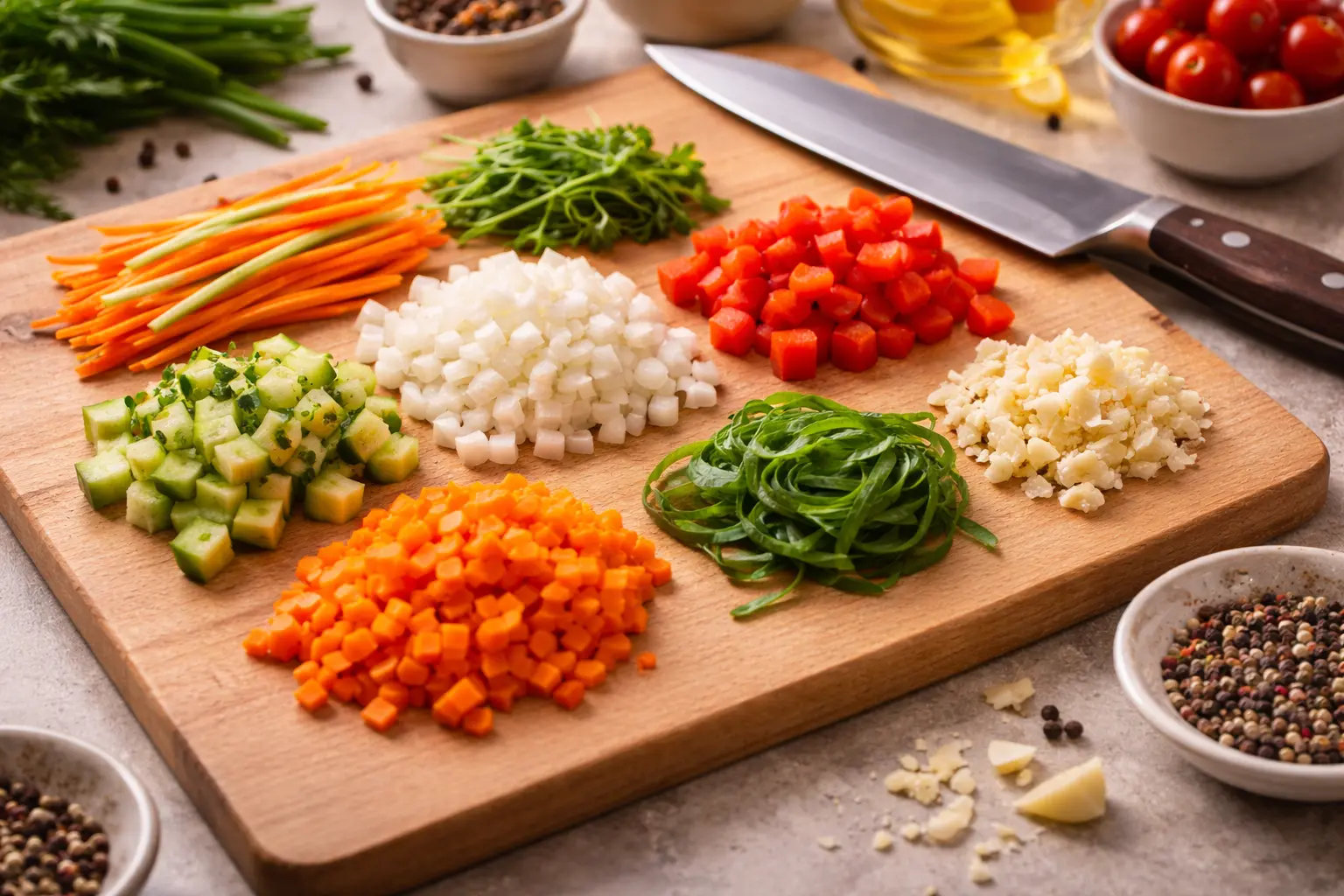
Cut names and what they change: speed, evenness, browning, texture.
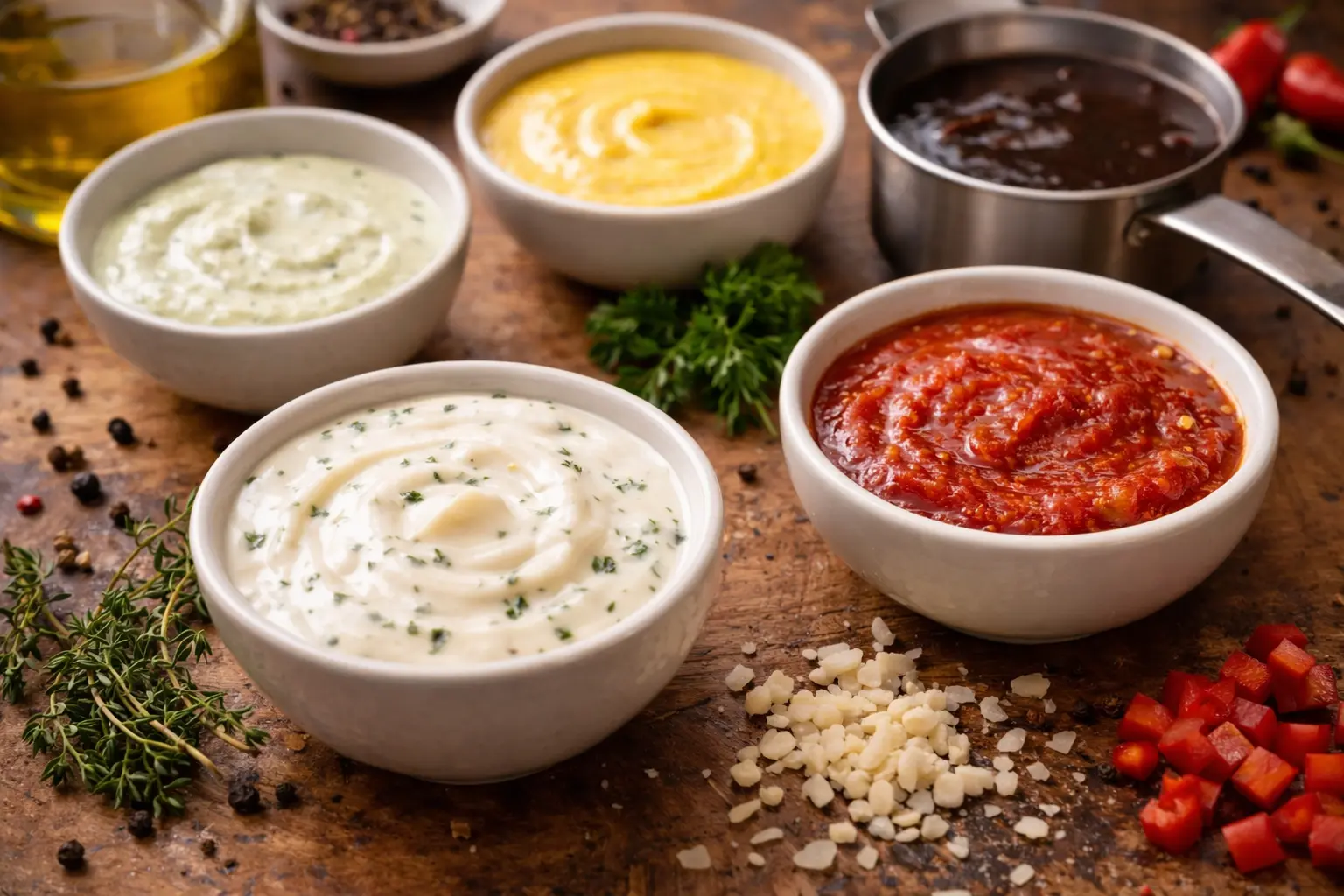
Consistency targets, emulsions, thickening, reductions, finishing.
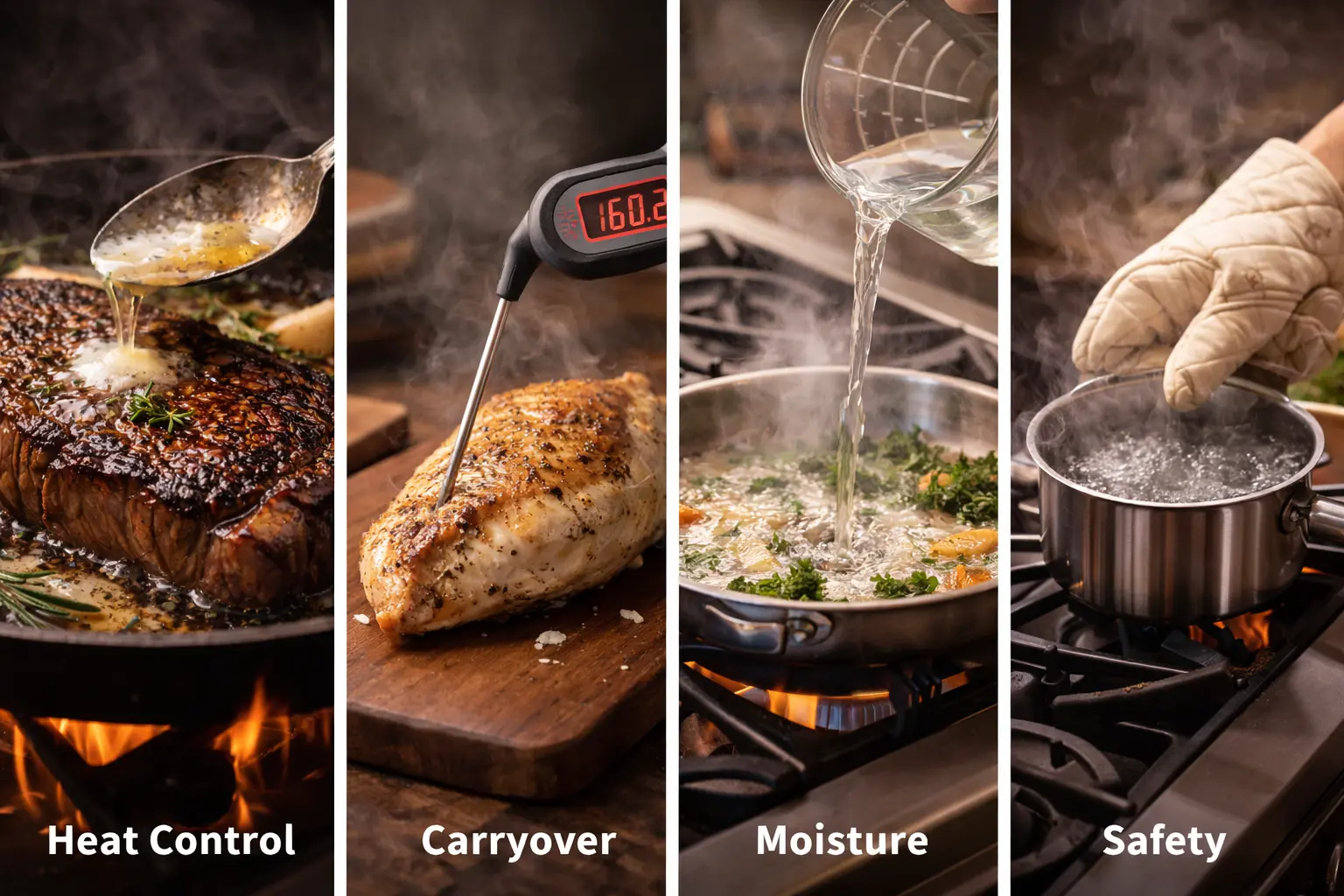
Core concepts that make everything repeatable: heat control, carryover, moisture.
The glossary exists to make execution repeatable. When two people use the same word (“reduce”, “temper”, “rest”), they should be talking about the same control point.
Verbs (“reduce”, “deglaze”, “temper”) tell you what action to perform and usually imply a sequence. Nouns (“emulsion”, “fond”, “mise en place”) name a system or state. When troubleshooting, start with verbs: they’re the most common source of process errors.
The goal is not to read the glossary. The goal is to look up a term quickly and return to the task. For long lists (A–Z), use letter filtering and “All” only when browsing.
Advertisement
Loading merchant banner…
Compare the buying guide with your needs, available space, and budget before visiting Blain's Farm & Fleet.
Loading merchant banner…
Compare the buying guide with your needs, available space, and budget before visiting KitchenAid.
