








Loading merchant banner…
Choosing a KitchenAid Mixer by the Work You Actually Do
Compare the buying guide with your needs, available space, and budget before visiting KitchenAid.
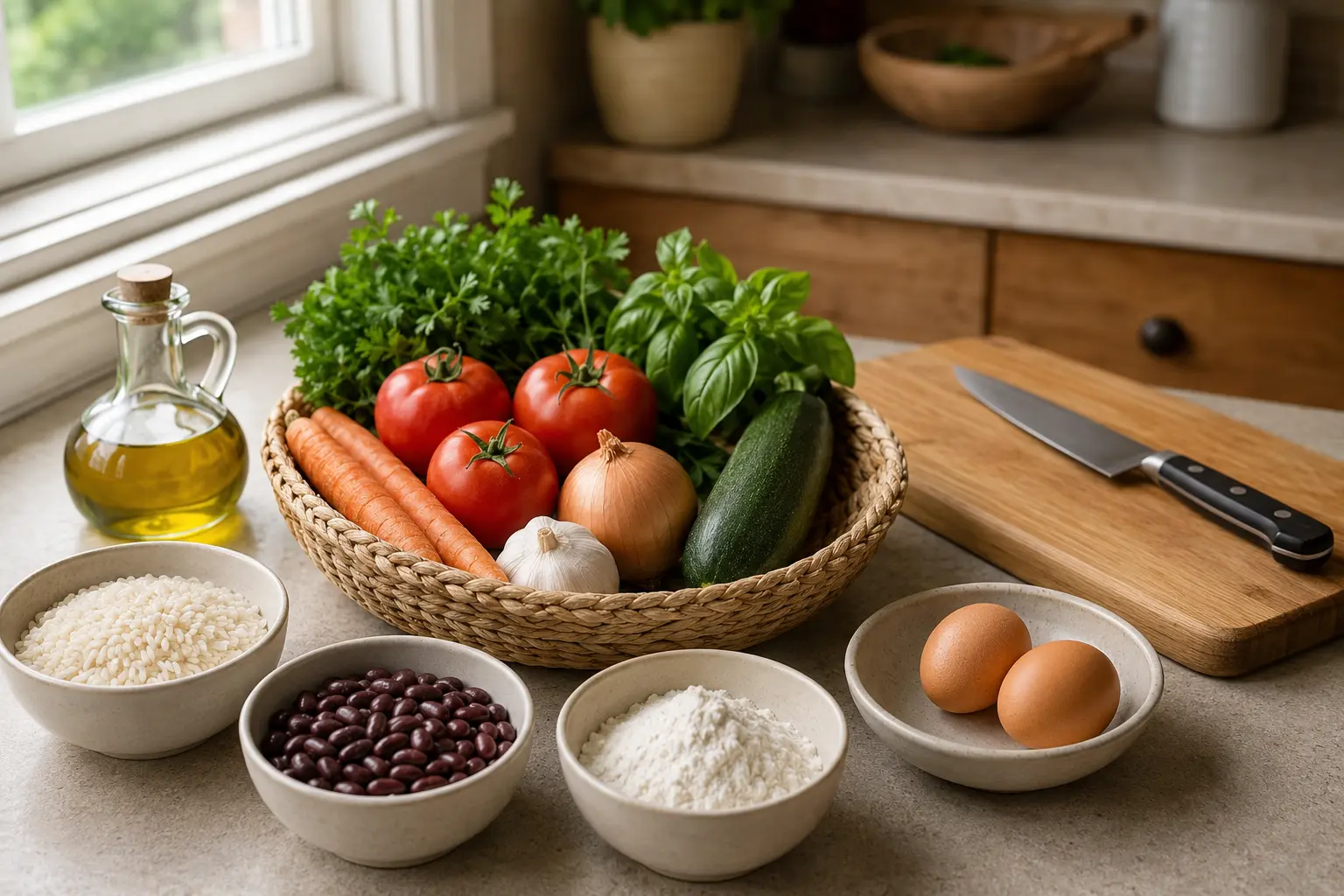 Ingredients Hub
Find a useful substitute, get to know an ingredient, or turn what you already have into dinner. Choose a guide below for practical advice on flavor, texture, preparation, and storage.
Need a quick swap? Start with the substitution shortcuts. Ready to cook? Browse recipes or search by the ingredients in your kitchen.
Missing an ingredient? Choose a substitute that serves the same purpose, then check the amount and how it will change the flavor.
Find swaps by acid, fat, thickener, structure, moisture, salt, and aroma.
Choose citrus, wine, another vinegar, or brine by use case.
Replace sourness and aroma without making the dish harsh.
Use flour, arrowroot, potato starch, tapioca, reduction, or puree.
Browse recipes alphabetically and choose a dish that fits your interests and experience.
Enter one ingredient or several to find recipes that fit your pantry and fresh produce.
Acidity, brightness, and balance control.
Fat types, smoke points, emulsions, and texture control.
Salinity control, seasoning strategy, and curing.
Sweetness control, browning, syrups, and texture.
Water activity, stock systems, and reduction behavior.
Core protein behavior: denaturation, carryover, doneness.
Cuts, collagen, doneness targets, and method matching.
Lean vs collagen cuts, rendering, curing, and method matching.
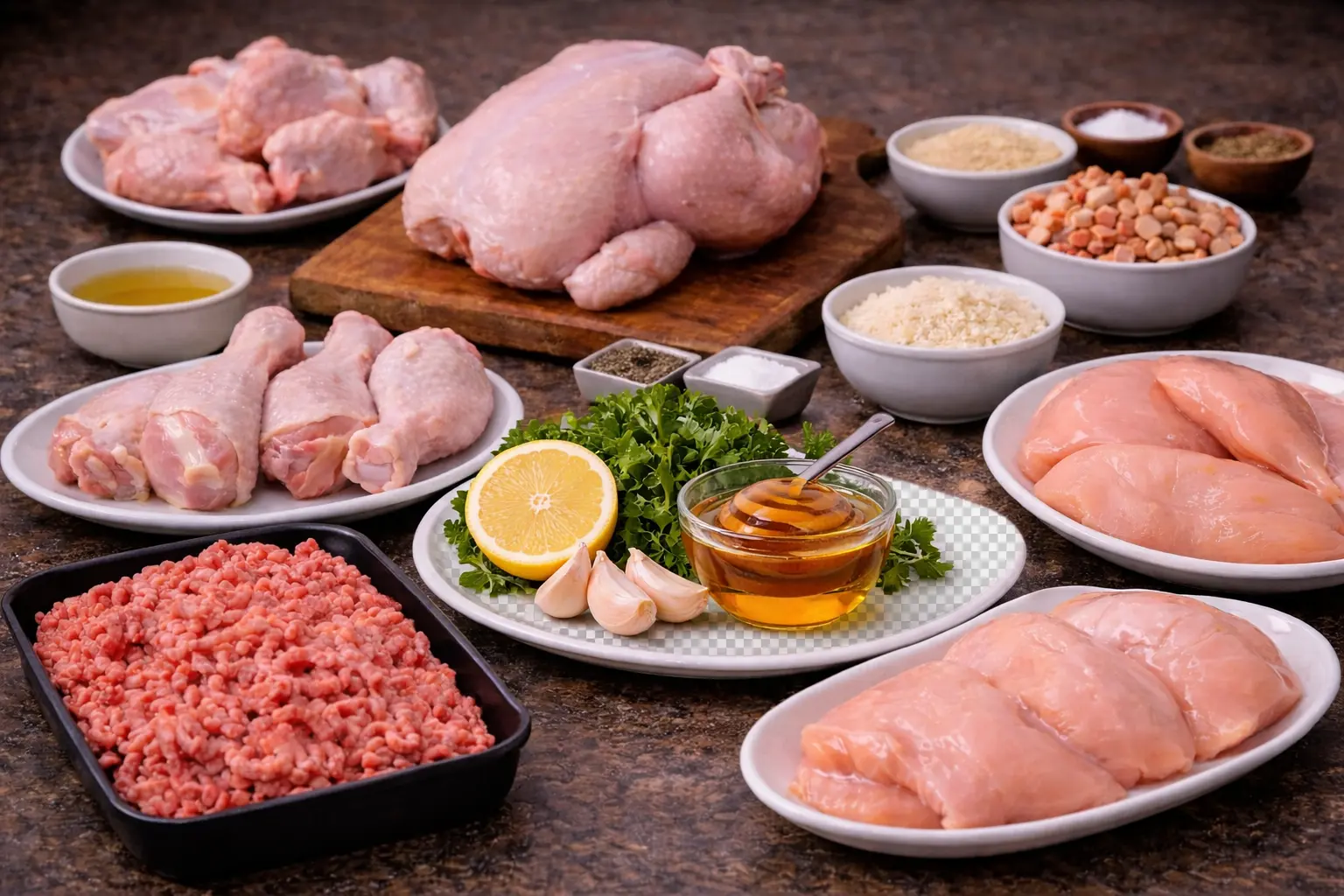
Juiciness, safety temps, and crisp skin systems.
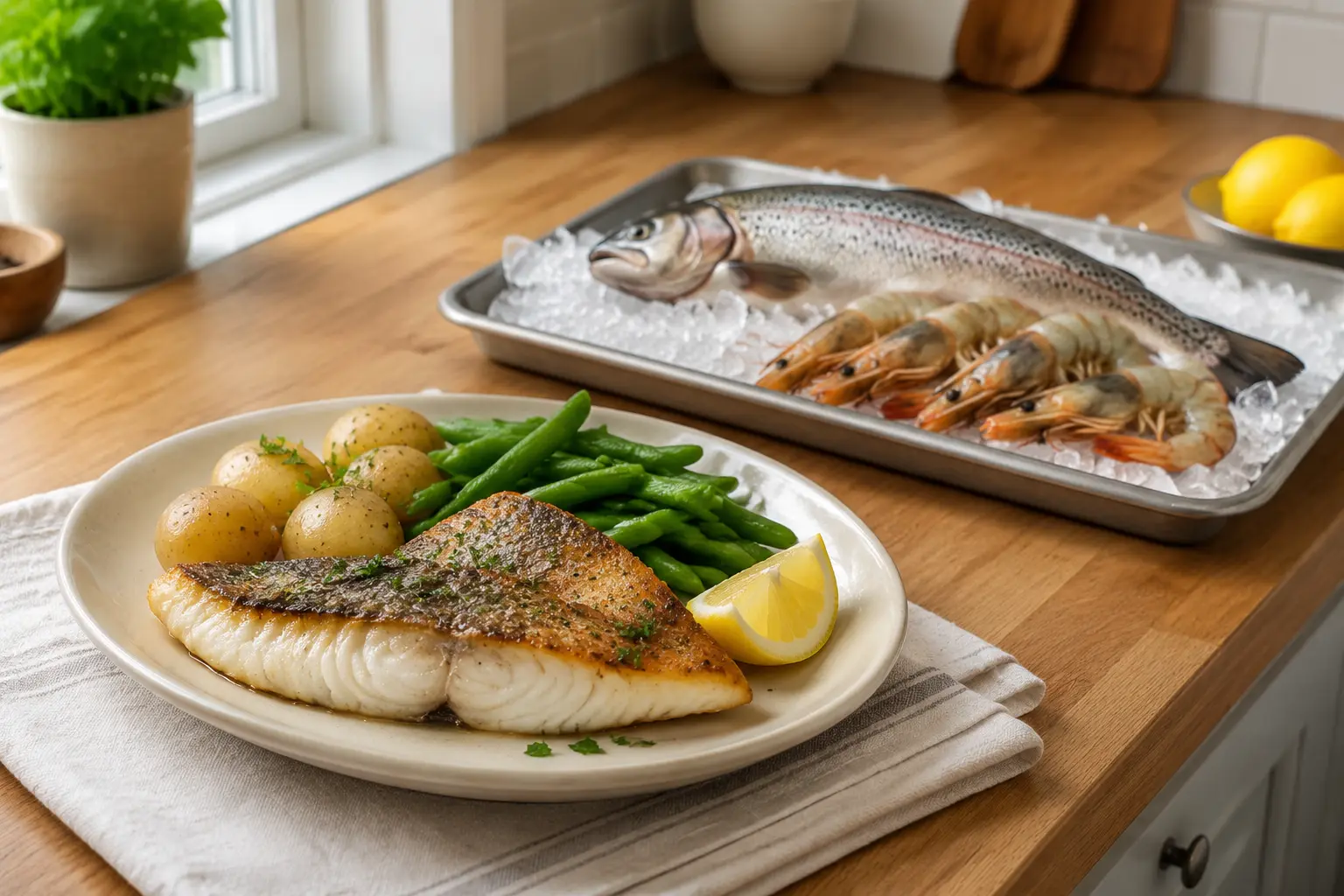
Delicate structure, gentle heat, and moisture control.
Shellfish and mixed-seafood selection, handling, safety, and method matching.
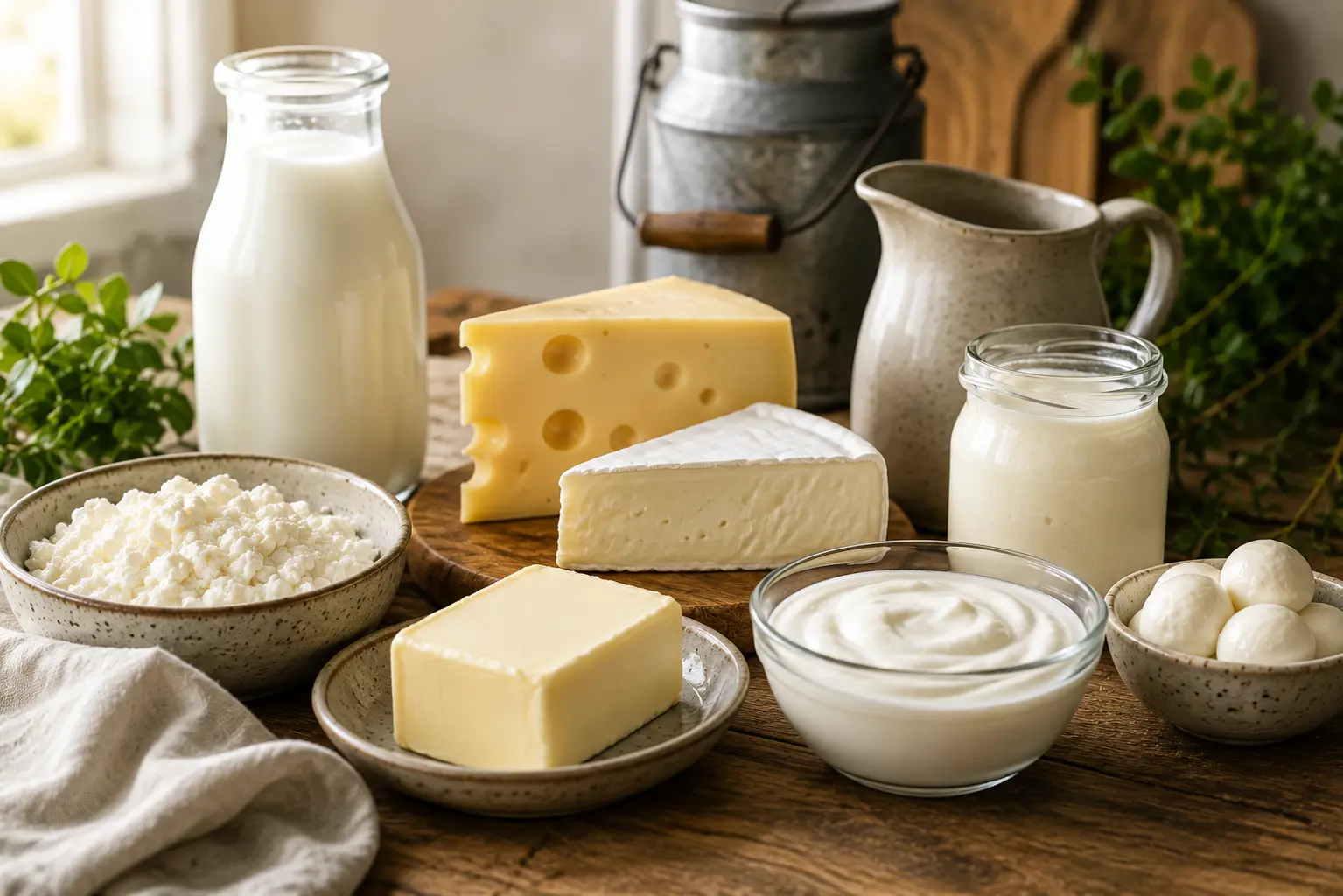
Coagulation control, emulsions, and foams.
Starch systems, gluten formation, and hydration control.
Chemical and biological lift systems and timing.
Find an everyday meal or practice a new skill. Browse the recipe collection, then follow the preparation and cooking guides that help with your chosen dish.
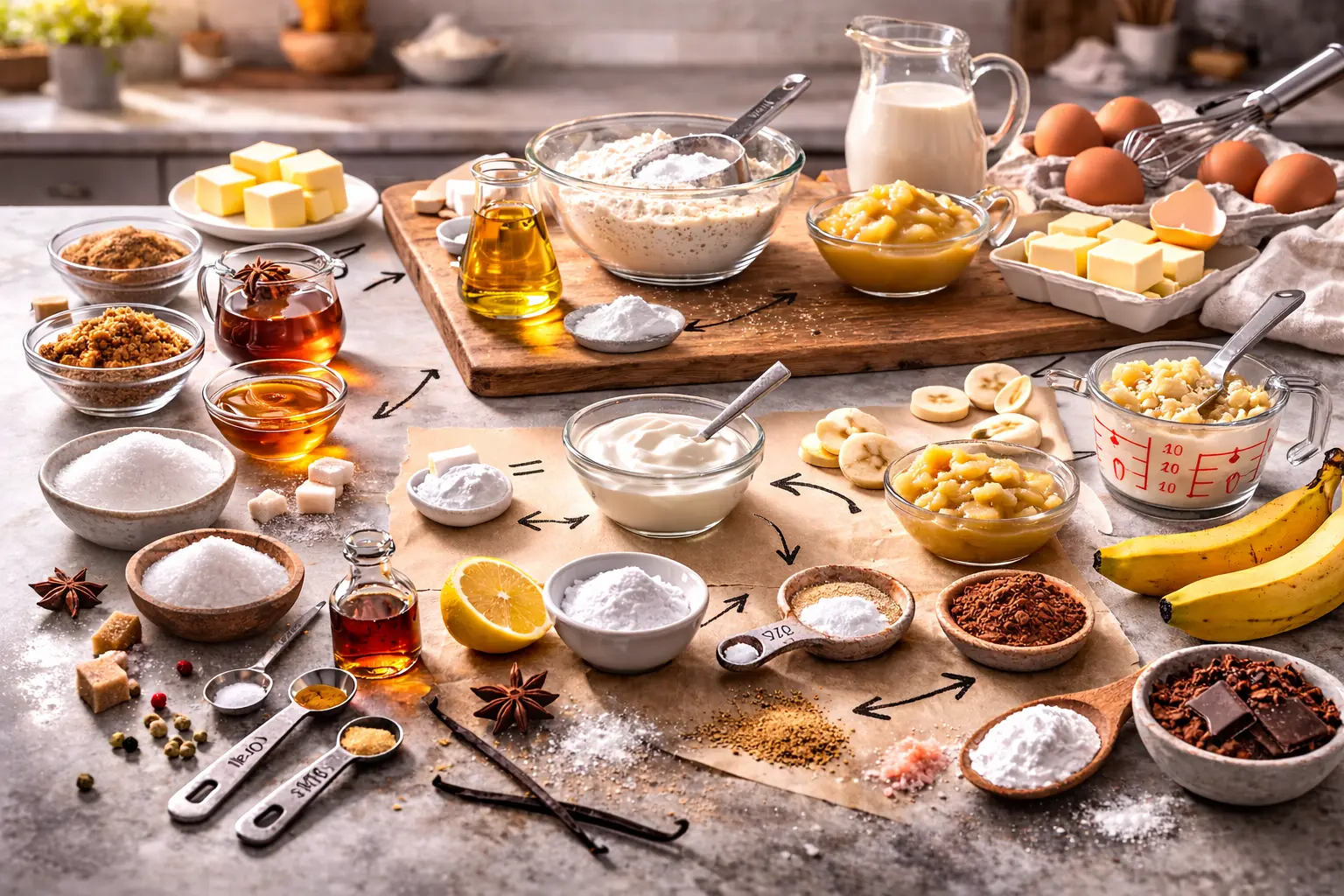
Each ingredient contributes flavor, texture, moisture, or structure. Understanding that role helps you choose what to buy, make a useful substitution, and troubleshoot a dish.
If you’re troubleshooting, jump to Diagnostic Mode and then return here to choose an ingredient adjustment.
Use the system in this order: select → prepare → apply → validate. The goal is repeatability: you should be able to swap brands, seasons, and equipment and still land the same outcome.
When you need to substitute, prioritize swapping within the same functional role, then adjust intensity. Use this ladder so you don’t accidentally change multiple variables at once.
For targeted corrections, use Seasoning & Balance.
Each ingredient system below includes: what it controls, how to apply, common failures, and the fastest correction. Keep the top layer short; open the deep notes when you need precision.
Acids control brightness and finish clarity. They also change how salt is perceived and how fats feel. Most “flat” dishes are missing a small acid lift.
Start here: Acids
Tip: add acid in drops, not splashes. Re-taste after 30–60 seconds.
Salt is a baseline amplifier. It also changes moisture behavior: early salt affects water retention and surface drying, which changes browning.
Start here: Salts
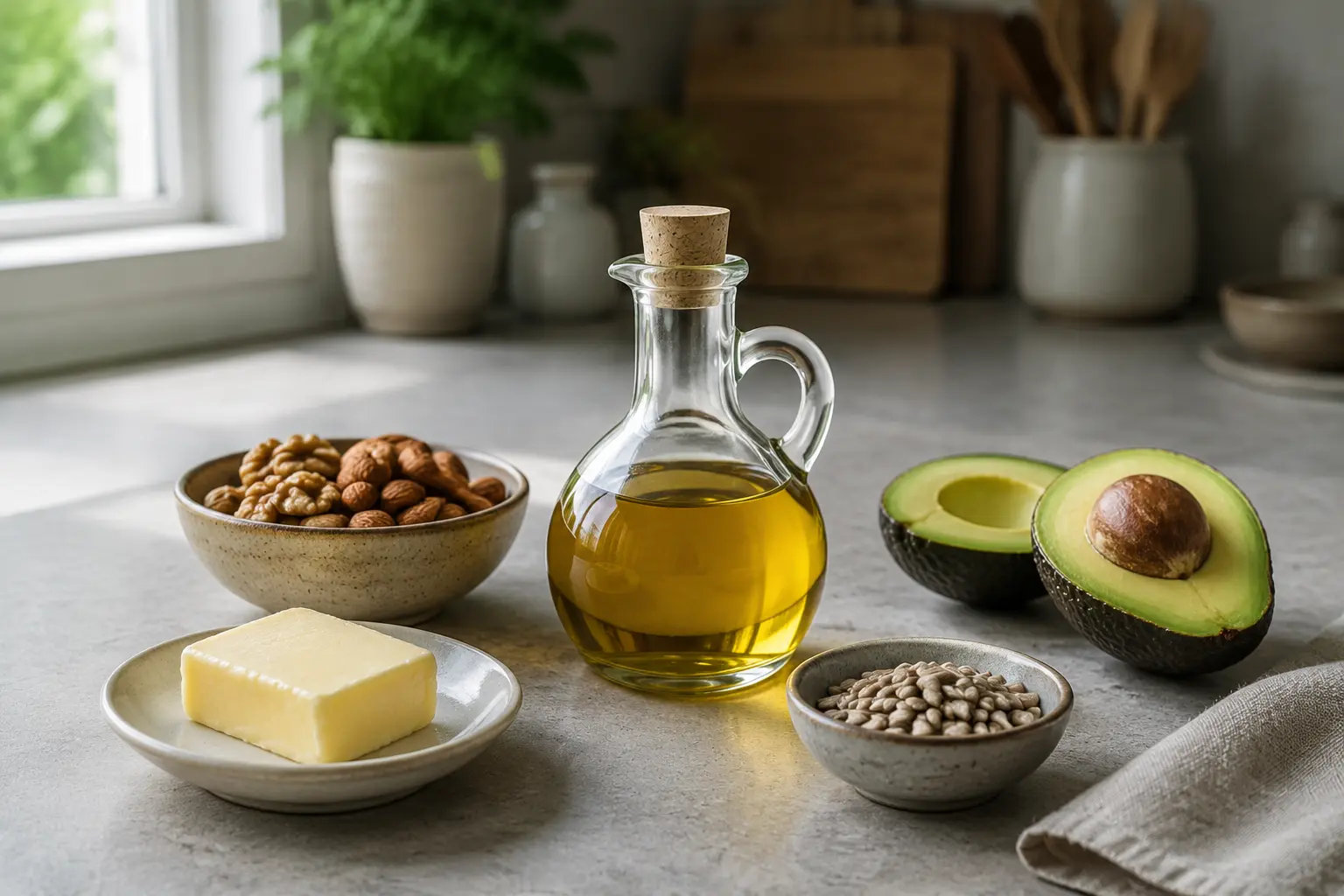
Fats carry aromatics and create mouthfeel. They also define what heat is possible without scorching. Choose by the heat profile and the flavor you want to carry.
Start here: Fats
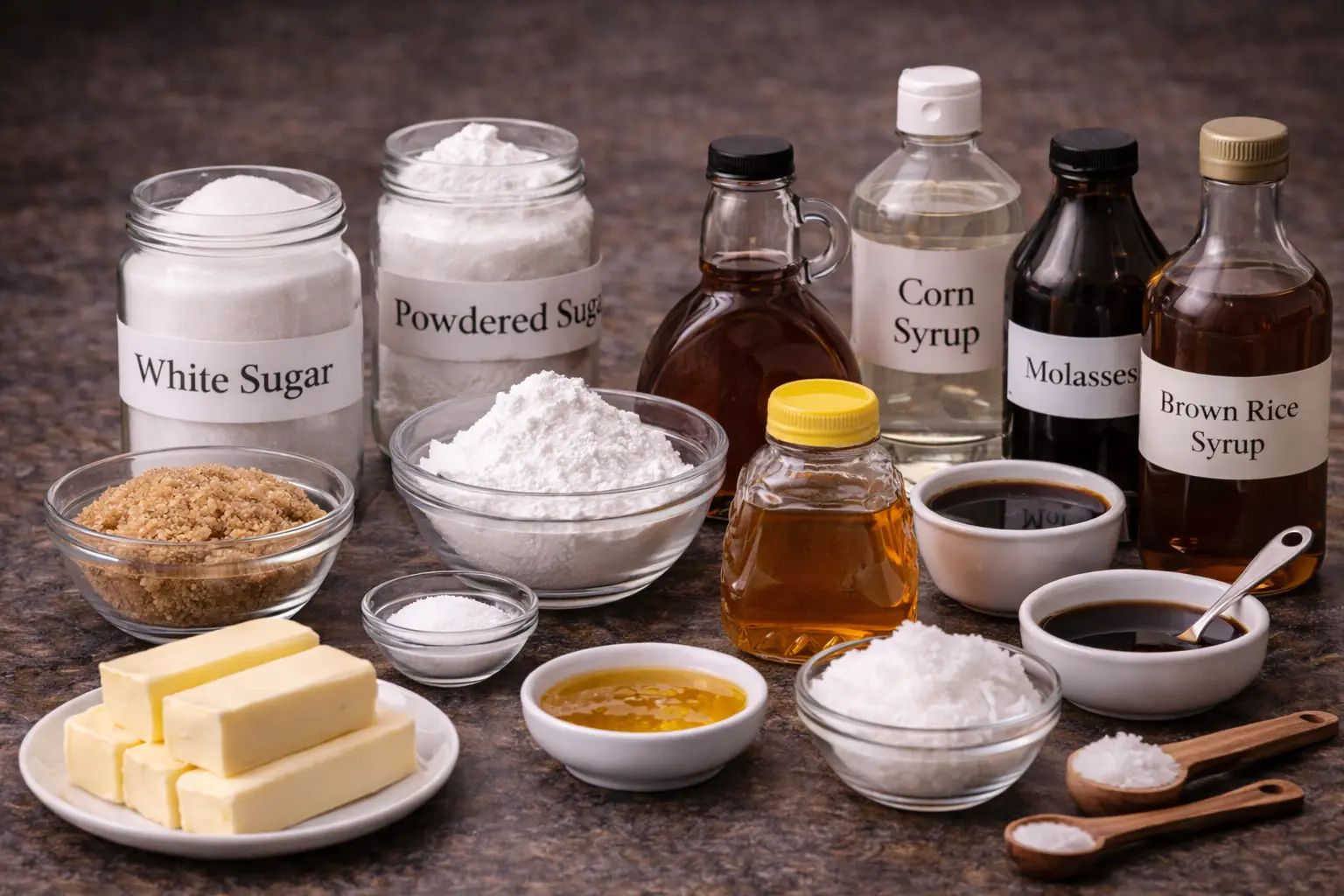
Sweetness is a balance tool more than a “dessert” tool. In savory food, sweetness is often used to soften bitterness, spice heat, or harsh acidity.
Start here: Sweeteners
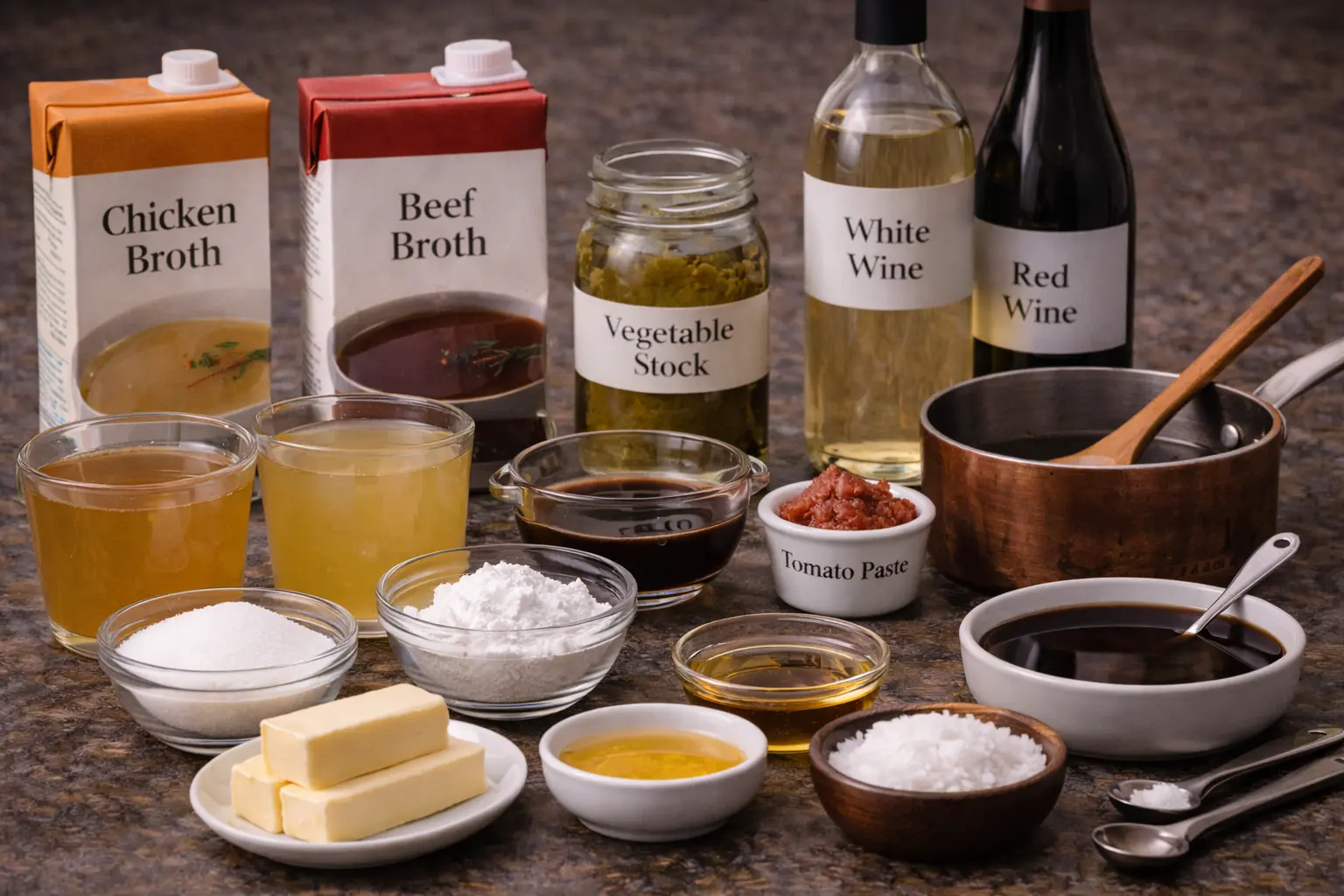
Liquids control extraction, dilution, and sauce structure. They are also a heat-transfer medium. Choose liquids based on the flavor base you want and the reduction path you expect.
Start here: Liquids
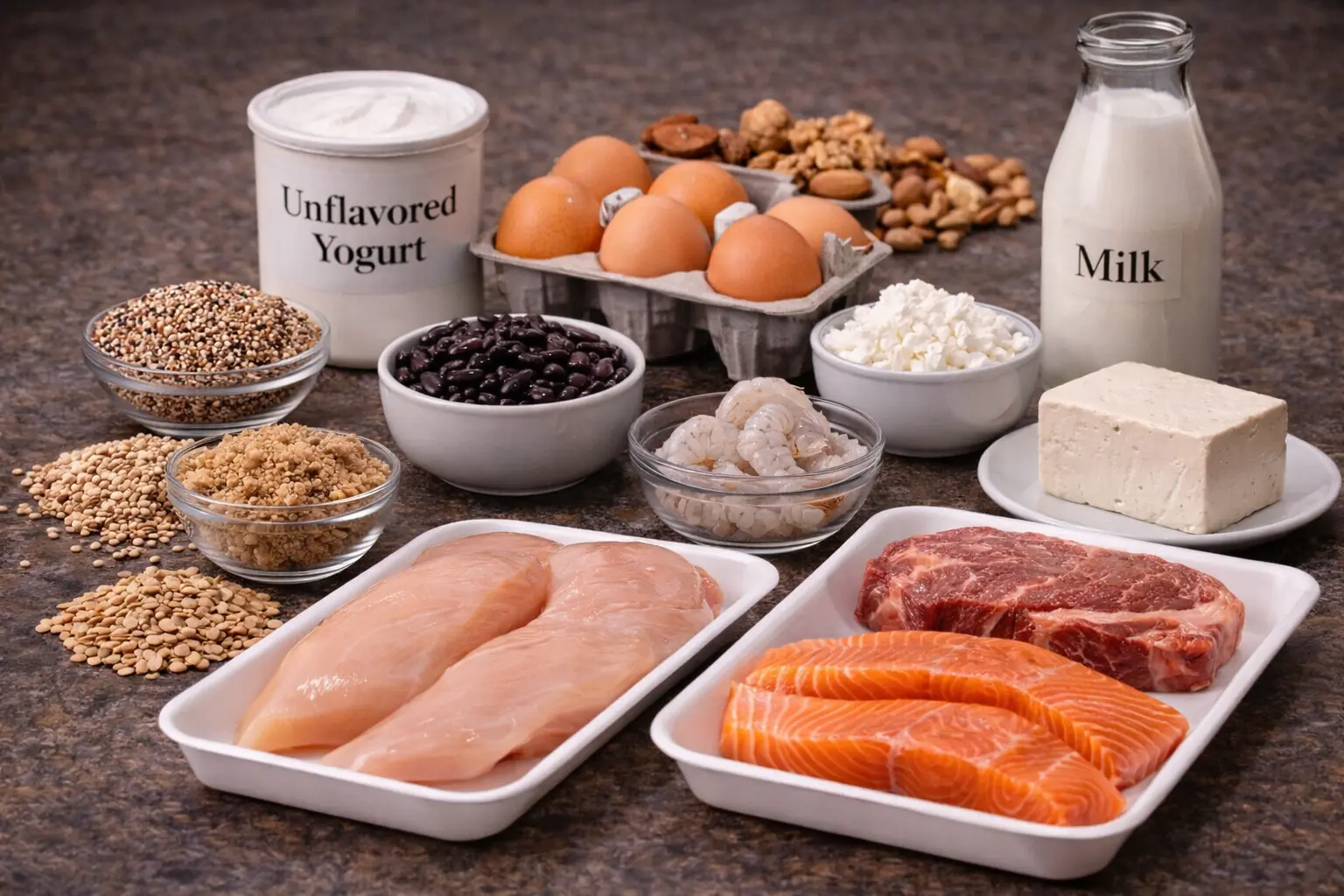
Proteins are texture systems. They tighten with heat, and the timing/temperature curve determines tenderness. Your job is to choose the method that fits the protein and then hit the endpoint.
Start here: Proteins • Deep dives: Beef, Pork, Chicken, Fish, Eggs, Dairy
Starches, flours, and leavening set texture. They determine whether a sauce clings, a batter sets, and a dough rises. These are structure systems—small ratio errors can cause large outcomes.
Start here: Grains & flours, Leavening
Aromatics define cuisine identity. Use them to create clear top-notes and to prevent “muddy” flavors from over-reduction. When in doubt, add fresh aromatics late and toasted spices earlier with fat contact.
Start here: Herbs & spices
The fastest way to build intuition is controlled repetition. Each rep below takes 10–20 minutes and gives a measurable result. Log what changed, not just what you “liked.”
Substitutions work when you swap function, not just “a similar ingredient.” Before you substitute, ask: what does the ingredient do here — sweeten, thicken, tenderize, lift, carry aroma, or set structure? Then choose a replacement that does the same job at the same point in the process.
Related: Substitutions.
By weight, salt is salt. Differences come from crystal size and how you measure. When precision matters, use a scale. When cooking by volume, use consistent salt type or recalibrate.
Turn Index into a repeatable system: inputs → process → controls → outcomes.
Use these as “defaults.” Deviate intentionally and only when you can name the tradeoff.
If you feel lost mid-cook, return to a single dial: heat, time, thickness, or agitation. Stabilize one, then adjust the rest.
Most “bad outcomes” are predictable. Use the signal, then apply the smallest correction.
Answer quickly, then read the explanation. Repeat until you can predict the correct choice before you click.
Advertisement
Loading merchant banner…
Compare the buying guide with your needs, available space, and budget before visiting KitchenAid.
Loading merchant banner…
Compare the buying guide with your needs, available space, and budget before visiting Blain's Farm & Fleet.
From kitchen skill to useful home style
Keep the next step practical: serve it calmly, use what you own, make one useful detail, or improve the household gradually.
Build a generous meal around make-ahead work, guest comfort, and the room you already have.
Open this path Set the tableChoose, condition, and arrange an ordinary bunch in a low household vessel.
Open this path Use what remains soundInspect first, repair only sound cloth, and recognize when laundering or replacement is the safer choice.
Open this path Improve graduallyCarry practical kitchen judgment into useful rooms, careful spending, reuse, and welcoming tables.
Open this path